Exploring the cultural ramifications of casinos in modern society
The Evolution of Casinos in Society
Casinos have transformed significantly over the years, evolving from small establishments focused on gaming to sprawling entertainment complexes. Initially viewed with skepticism, they have integrated into the fabric of urban life, becoming hubs of social interaction and tourism. This evolution reflects a broader cultural acceptance of gambling, shifting perceptions from taboo to mainstream leisure activity. For those wanting to know more, you can see details on how casinos not only provide entertainment but also impact local economies.
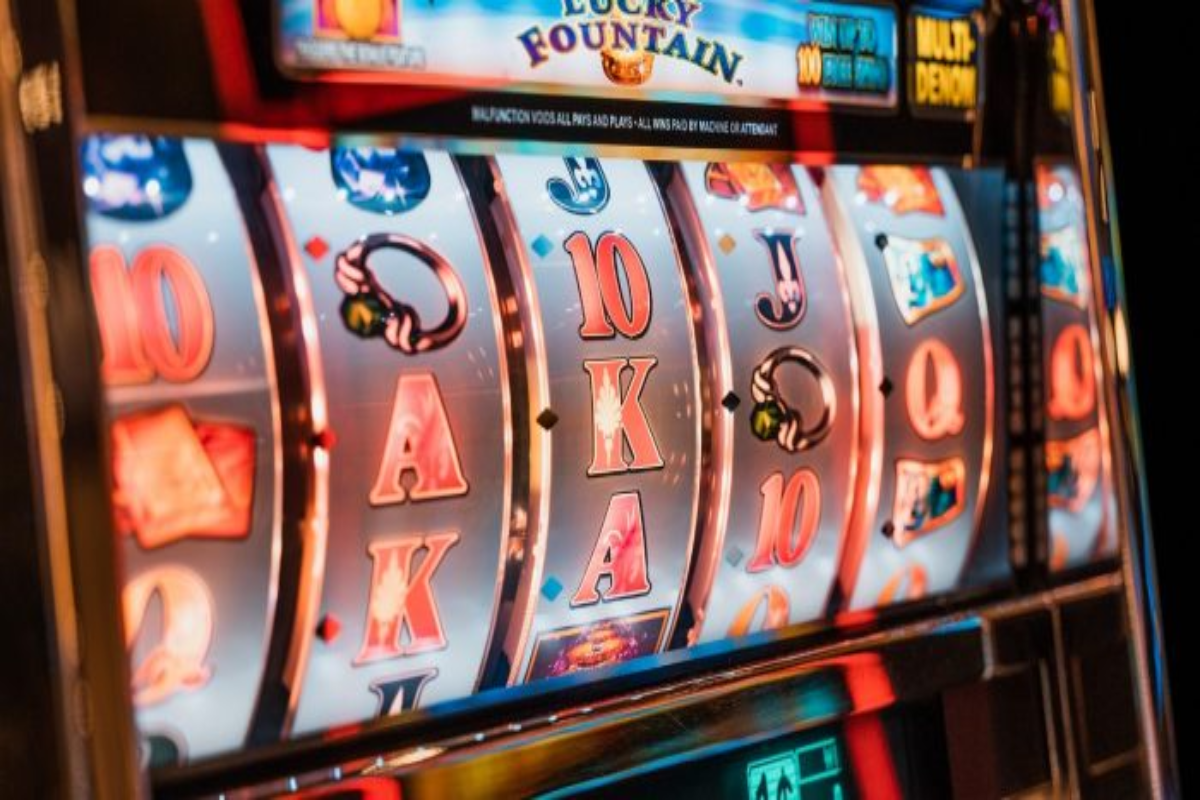
As cities grow and economies change, casinos often emerge as catalysts for local development. They bring in revenue, create jobs, and stimulate tourism, leading to a reimagining of urban spaces. Yet, this transformation also raises questions about the long-term effects on communities and the balance between economic benefits and potential social costs.
Cultural Perceptions and Misconceptions
The cultural narrative surrounding casinos is filled with myths and facts that shape public perception. Many people hold the belief that gambling is purely a game of chance, yet statistical analysis reveals that skill can play a significant role in certain games. This misconception affects how society views gamblers, often labeling them as reckless or irresponsible.
Moreover, cultural depictions in media, ranging from glamorous portrayals in films to cautionary tales of addiction, further complicate these perceptions. Such narratives can influence how individuals approach gambling, often leading to either an exaggerated sense of excitement or an exaggerated fear of the consequences associated with it.
Social Dynamics and Community Impact
Casinos influence social dynamics in various ways, including the formation of new social networks. They serve as meeting places where individuals from diverse backgrounds come together, fostering a sense of community. Events held at casinos often bring people together, creating a lively atmosphere that can enhance local culture.
However, the presence of casinos can also lead to negative social consequences. Issues such as gambling addiction and economic disparity may arise, disproportionately affecting vulnerable populations. This duality presents a complex picture of the societal impact of casinos, where the benefits of entertainment and community engagement must be weighed against the potential for harm.
The Role of Regulation and Responsibility
With the growing acceptance of casinos, the importance of effective regulation has come to the forefront. Governments worldwide face the challenge of creating laws that protect consumers while allowing the industry to thrive. Responsible gambling initiatives have emerged, aiming to educate the public and provide support for those who may be struggling with addiction.
Successful regulation not only enhances the integrity of the gaming industry but also fosters public trust. By promoting awareness and responsible behavior, stakeholders can work together to mitigate the negative effects while maximizing the positive contributions of casinos to society.

Understanding Our Website and Its Mission
This website aims to explore the intricate relationship between casinos and modern society, shedding light on both the benefits and challenges they present. Through articles, research, and discussions, we strive to provide balanced perspectives that encourage informed dialogue about the cultural ramifications of gambling.
We invite you to engage with our content, share your thoughts, and broaden your understanding of this multifaceted issue. Our mission is to foster a well-rounded conversation that promotes awareness, education, and responsible engagement with the world of casinos and gambling.